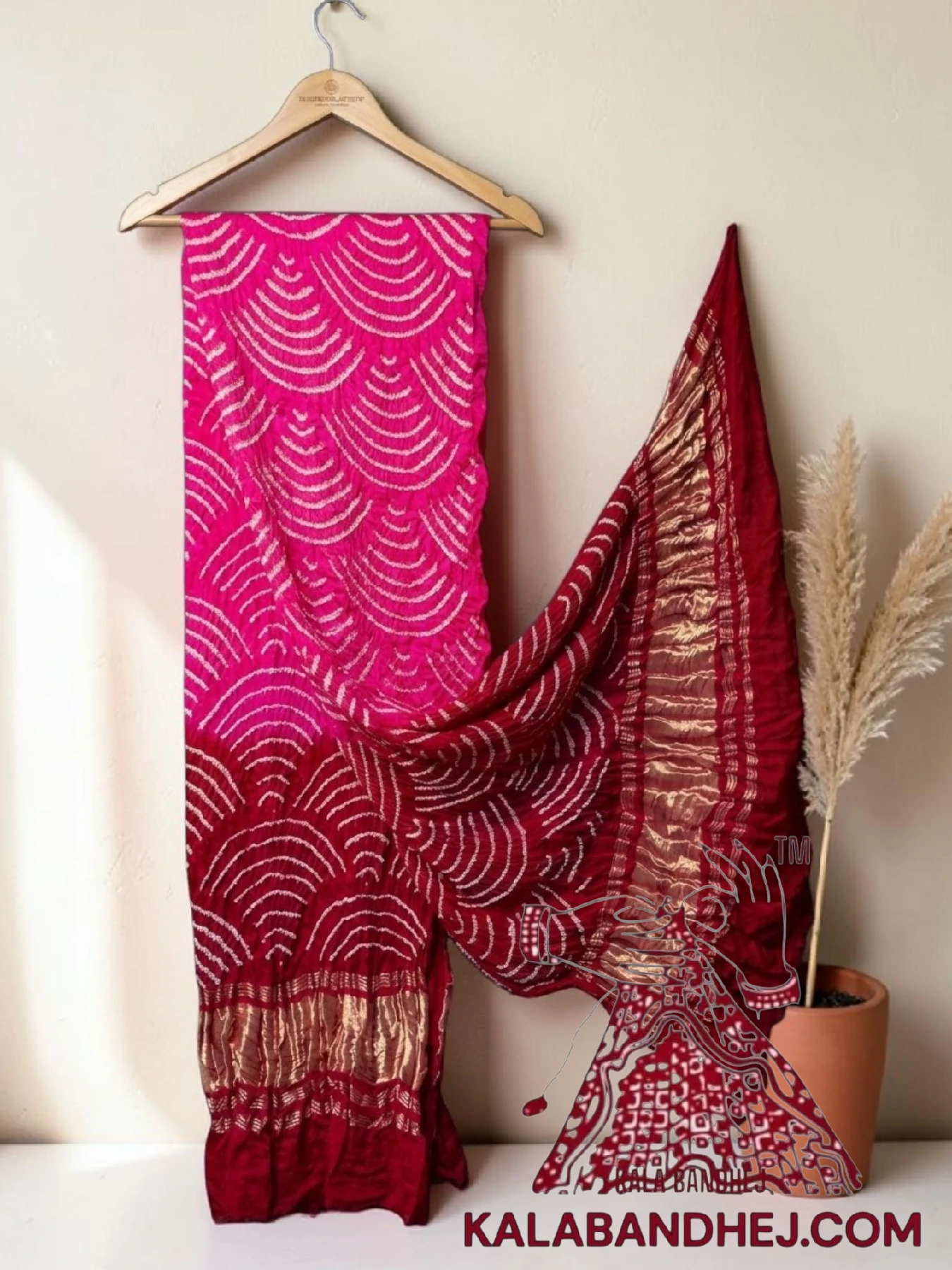
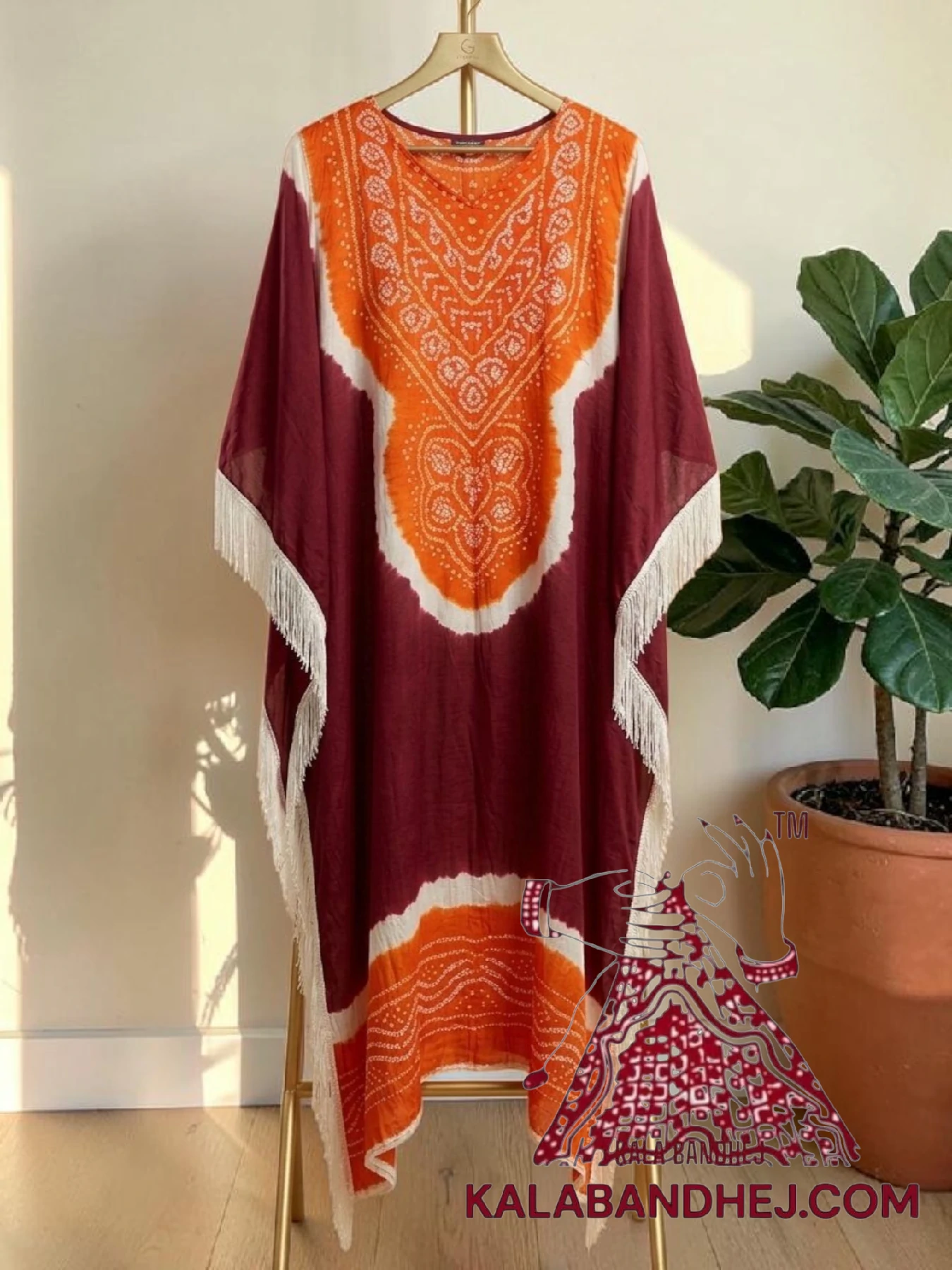
Bandhani sarees are among the most beautiful expressions of Gujarat’s textile heritage. Known for their vibrant colours, distinctive tie-and-dye patterns and handcrafted character, Bandhani sarees are loved for weddings, festivals, traditional celebrations and special occasions.
With online shopping making Indian ethnic fashion accessible around the world, finding an authentic Bandhani saree online has become easier than ever. Among the online destinations specialising in Gujarati and Kutchi heritage wear, Kala Bandhej offers an extensive collection of Bandhani sarees, Gharchola sarees, dupattas and other traditional textiles.
If you are searching for popular online stores for Bandhani sarees, this guide will help you understand what to look for and why Kala Bandhej is worth exploring.
What Is a Bandhani Saree?
Bandhani, also called Bandhej, is a traditional Indian tie-and-dye textile technique strongly associated with Gujarat and Rajasthan.
The traditional process involves carefully tying small sections of fabric before dyeing it. Once the threads are removed, the tied areas create characteristic dots and patterns across the fabric.
The result is a saree with a distinctive handcrafted appearance that cannot be completely replicated by ordinary printed designs.
Bandhani sarees are especially popular in Gujarat for:
- Weddings
- Navratri celebrations
- Festivals
- Religious ceremonies
- Family functions
- Traditional events
- Bridal trousseaus
- Cultural celebrations
Different fabrics, colours and patterns can give a Bandhani saree anything from a lightweight everyday appearance to a luxurious bridal look.
Why Buy Bandhani Sarees Online?
Shopping online gives saree lovers access to collections that may not be available in their local markets.
When looking for a Bandhani saree online, customers can compare:
- Fabric
- Colour combinations
- Bandhani patterns
- Saree length
- Blouse options
- Handcrafted details
- Prices
- Shipping options
- Customisation availability
For customers living outside Gujarat, online stores can also make it easier to discover traditional Kutchi and Gujarati textiles without travelling to a physical market.
Popular Online Stores for Bandhani Sarees
There are many online platforms selling Bandhani-inspired sarees, but buyers looking for traditional craftsmanship should pay attention to the material, construction, description and origin of the saree.
Kala Bandhej
Kala Bandhej is an online store specialising in handcrafted Bandhani and traditional Indian heritage wear.
Its website features collections including Bandhani sarees, Gujarati sarees, Gharchola sarees, Bandhani dupattas, Ajrakh textiles and other ethnic wear.
The brand describes itself as a manufacturer, wholesaler and custom design studio working with handcrafted Kutchi textiles. Its website also states that it offers custom design modifications and bespoke sizing.
What Can You Find at Kala Bandhej?
The online collection includes a wide range of Bandhani styles, including:
- Pure Gaji Silk Bandhani Sarees
- Gharchola Bandhani Sarees
- Lagdi Palav Bandhani Sarees
- Makdi Bandhani Sarees
- Panetar Bandhani Sarees
- Bandhani Dupattas
- Bandhani Dress Materials
- Gujarati Sarees
- Traditional Bridal Wear
The store’s Bandhej saree category currently lists hundreds of products, including Gaji silk, modal silk and other Bandhani styles.
Why Kala Bandhej Is Popular Among Bandhani Lovers
1. Focus on Traditional Gujarati Craft
Kala Bandhej focuses heavily on Gujarati and Kutchi heritage textiles.
Its collections showcase traditional Bandhani patterns alongside Gharchola and other regional textile traditions.
This makes the store particularly relevant for shoppers searching for terms such as:
Bandhani saree online
Gujarati saree online
Kutch Bandhani saree
Gaji silk Bandhani saree
Gharchola saree online
2. Wide Range of Bandhani Sarees
One of the biggest advantages of online shopping is variety.
Kala Bandhej’s online catalogue includes numerous colour combinations and Bandhani designs, ranging from bright traditional reds and yellows to contemporary blue, pink, purple and pastel combinations.
This variety can make it easier to find a saree for a particular event or personal style.
3. Gaji Silk Bandhani Sarees
Gaji silk is particularly popular among shoppers looking for a more luxurious Bandhani saree.
Kala Bandhej features several Pure Gaji Silk Bandhani Sarees, including Gharchola, Lagdi Palav and other designs.
Gaji silk Bandhani can be an excellent choice for:
- Weddings
- Engagement ceremonies
- Festivals
- Bridal wardrobes
- Family celebrations
- Luxury ethnic styling
Bandhani Sarees for Weddings
A Bandhani saree can be a beautiful choice for wedding-related occasions.
Traditional red Bandhani sarees are especially associated with bridal and festive dressing in Gujarat. However, modern Bandhani collections are available in many colours.
Popular wedding colours include:
- Red
- Maroon
- Pink
- Magenta
- Yellow
- Green
- Orange
- Royal blue
- Purple
For a bridal or wedding guest look, consider pairing a Bandhani saree with traditional jewellery, statement earrings and a contrasting blouse.
Gharchola and Bandhani: A Traditional Combination
Gharchola is another important textile tradition associated with Gujarat.
Its characteristic grid or checked structure, often combined with zari and Bandhani elements, gives it a distinctive ceremonial appearance.
Kala Bandhej features Gharchola Bandhani sarees in its Gujarati saree collection, including Gaji silk options.
A Gharchola saree can be especially suitable for:
- Gujarati weddings
- Bridal ceremonies
- Religious celebrations
- Traditional family functions
- Festive occasions
How to Choose an Authentic Bandhani Saree Online
Before purchasing a Bandhani saree online, consider the following factors.
1. Check the Fabric
Bandhani can be made using different fabrics.
Common options include:
- Gaji silk
- Modal silk
- Cotton
- Georgette
- Chiffon
- Other silk blends
Always read the product description carefully before ordering.
2. Look at the Bandhani Work
Authentic handcrafted Bandhani has a distinctive texture and appearance.
Ask the seller whether the saree is:
- Hand-tied
- Hand-dyed
- Printed
- Machine-made
- Handcrafted
This distinction can make a significant difference in the character and value of the saree.
3. Check Saree Measurements
Before ordering online, check:
- Saree length
- Saree width
- Blouse piece availability
- Blouse length
- Fabric details
This is particularly important when buying premium or bridal sarees.
4. Check Customisation Options
Some shoppers want a specific colour combination or customised blouse.
Kala Bandhej states that it provides custom design modifications and bespoke sizing for selected requirements.
5. Check Shipping Information
If you are purchasing from outside India, check international delivery policies before placing your order.
Kala Bandhej states that it offers worldwide shipping.
How to Style a Bandhani Saree
Bandhani is versatile enough to be styled traditionally or in a contemporary way.
Traditional Look
Pair your saree with:
- Gold jewellery
- Traditional bangles
- Jhumka earrings
- Bindi
- Embroidered blouse
- Traditional footwear
Contemporary Look
For a modern appearance, try:
- Minimal jewellery
- Solid-colour blouse
- Statement belt
- Modern clutch
- Contemporary heels
- Simple hairstyle
Bridal Look
For a Gujarati-inspired bridal look, consider:
- Red or maroon Bandhani
- Traditional gold jewellery
- Statement necklace
- Maang tikka
- Bangles
- Embroidered blouse
- Traditional bridal draping
How to Care for Your Bandhani Saree
Handcrafted sarees should be handled carefully to preserve their colours and fabric.
Follow these basic tips:
- Follow the manufacturer’s washing instructions.
- Avoid harsh detergents.
- Keep silk sarees away from direct sunlight for long periods.
- Store sarees in breathable fabric such as muslin.
- Refold stored sarees periodically.
- Avoid placing heavy items directly on delicate Bandhani work.
- For expensive silk sarees, consider professional dry cleaning.
Proper storage can help maintain the appearance of your saree for years.
Why Handcrafted Bandhani Makes a Meaningful Purchase
A handcrafted Bandhani saree is more than just clothing.
It represents:
Art + Tradition + Colour + Craftsmanship + Cultural Heritage
Every handcrafted textile reflects the time and skill involved in creating its patterns.
Choosing traditional handmade textiles can also help maintain demand for India’s craft traditions and the communities involved in producing them.
Kala Bandhej: Shop Bandhani Sarees Online
If you are searching for Bandhani sarees online, Kala Bandhej offers a dedicated collection of Gujarati and Kutchi heritage textiles.
Its online store features Bandhani sarees in different fabrics, colours and styles, including Gaji silk and Gharchola collections.
Kala Bandhej also has a physical retail presence in Bhuj, Kutch, Gujarat, according to information published on its website.
Frequently Asked Questions About Bandhani Sarees
Which is the best Bandhani saree to buy online?
The right Bandhani saree depends on your preferred fabric, design, occasion and budget. For weddings and special occasions, shoppers may consider Gaji silk, Gharchola or other premium Bandhani options.
Where can I buy Bandhani sarees online?
Bandhani sarees are available from specialist ethnic-wear stores and online marketplaces. Kala Bandhej offers an extensive online collection of Bandhani sarees and Gujarati heritage textiles.
Are Kala Bandhej sarees available online?
Yes. Kala Bandhej operates an online store featuring Bandhani sarees, Gujarati sarees, Gharchola, dupattas and other ethnic products.
Does Kala Bandhej sell Gaji Silk Bandhani sarees?
Yes. Its online catalogue includes multiple Pure Gaji Silk Bandhani sarees and Gharchola Bandhani designs.
Can I buy Gujarati sarees online?
Yes. Kala Bandhej has a dedicated Gujarati Saree category featuring Bandhani, Gharchola and other Gujarati textile styles.
Where is Kala Bandhej located?
Kala Bandhej lists its retail showroom on Suhag Ring Road in Bhuj, Kutch, Gujarat, India.
Final Thoughts
Bandhani sarees continue to hold a special place in Indian ethnic fashion because they combine vibrant colours, traditional craftsmanship and cultural heritage.
Whether you are looking for a Bandhani saree for a wedding, a Gujarati saree for Navratri, a Gaji silk saree for a special occasion, or a traditional Gharchola saree, online shopping gives you access to a wide variety of styles.
For shoppers specifically searching for a specialist destination, Kala Bandhej offers an extensive online selection of Bandhani and Gujarati heritage wear, with collections ranging from Bandhani sarees and Gaji silk designs to Gharchola and Bandhani dupattas.
Discover traditional Gujarati craftsmanship and explore the latest Bandhani collections online.
Shop Kala Bandhej and bring the beauty of Gujarat’s textile heritage into your wardrobe.