Posted on

The Ultimate Gharchola Guide: From Bridal Sarees to Modern Silhouettes + 50% Off!

The Timeless Elegance of Gharchola: A Bride’s Heritage

In the vibrant tapestry of Gujarati textiles, few garments hold as much cultural weight and aesthetic charm as the Gharchola. More than just a saree, it is a symbol of new beginnings, prosperity, and the rich artisan legacy of Gujarat.

Whether you are a bride-to-be, a lover of traditional weaves, or someone looking to add a piece of heritage to your wardrobe, the Gharchola is an essential treasure.
Classic Red & White Gharchola. Source: Kalabandhej Gharchola

Royal Tradition in Purple Handwoven Georgette Silk Gharchola Saree ...

Detail of Zari Work. Source: Gharchola Saree …

What Makes a Gharchola?

The name “Gharchola” literally translates to “Outfit for Home” (Ghar = Home, Chola = Apparel). It beautifully symbolizes a bride’s transition into her new home and family.

What sets a Gharchola apart from a standard Bandhani saree is its signature grid-like pattern. Woven with zari (gold or silver thread) on silk or cotton-silk, these grids—often numbering 12 (Bar Bagh) or 52 (Bavan Bagh)—are filled with meticulous tie-dye (Bandhani) motifs like peacocks, lotus flowers, and elephants. These motifs are not just decorative; they are symbols of fertility, beauty, and strength.

A Bridal Essential

For generations, the Gharchola has been a staple in Gujarati weddings. Traditionally, it is gifted to the bride by her mother-in-law as a token of acceptance and blessing. It is commonly draped during the Mangal Pheras (the wedding rounds), making it an integral part of the most sacred moments of the ceremony.

Because of its heirloom quality, a well-preserved Gharchola is often passed down from mother to daughter, carrying the blessings and stories of the women who wore it before.

Did You Know? A Gharchola saree isn’t just about the fabric; it’s about the craftsmanship. The process of tying and dyeing the fabric with precision to fit perfectly within the zari grids can take weeks of dedicated work by skilled artisans.

Bring Home the Heritage (At 50% Off!)

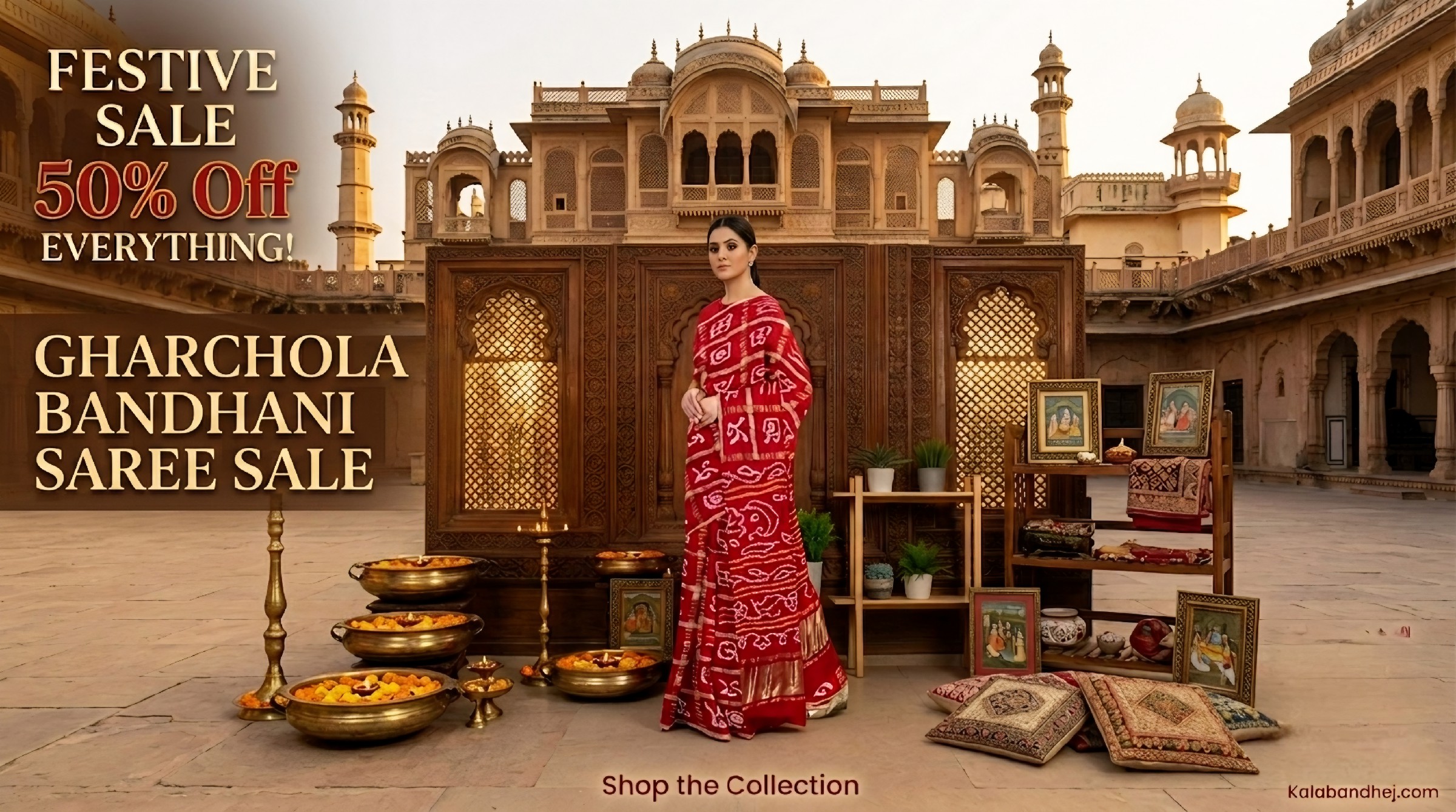
We believe that every wardrobe deserves the grace of a handcrafted Gharchola. To celebrate our love for this timeless art form, we are currently offering a special 50% OFF on our entire collection of authentic Gharchola sarees and dupattas at Kalabandhej.com.

Whether you are preparing for your wedding day or simply want to elevate your festive look with genuine, hand-woven luxury, now is the perfect time to claim your piece of history.

Shop the Collection at Kalabandhej.com

Don’t miss out—embrace the elegance of tradition today.

THE ORIGIN OF GHARCHOLA

Originating from the Kutch region of Gujarat, Gharcholas have been used for years in Gujarati weddings. Khambat was a very popular port and centre of trade in India, till about 16th century. Merchants from all over the world visited this important trading centre that was also famous for silk manufacturing. The weaving of Gharcholas is traced back to this port city.A sub-set of Bandhani (Indian tie and dye art), Gharchola was earliermade by traditional weavers and Bandhani workers. The dying process of Gharchola is historically associated with Bhuj, as it’s believed that the water quality of Bhuj is excellent for producing the rich red colours of Gharcholas.

ABOUT GHARCHOLA

When two people marry, two families too, invariably, marry! This stands especially true in the context of the Indian marriages, where a bride is traditionally considered the honour and grace of the family she marries into. Also, with marriage, the bride becomes an integral part of her new family – her security and respect, the new family’s responsibility.There are many cultural practices and religious/ ritualistic symbols associated with this integral aspect of Indian society. Gharchola is one of them! This auspicious wedding staple from the Indian states of Gujarat and Rajasthan has been used since years with this beautiful thought behind it.

WHAT DOES GHARCHOLA MEAN?

WHAT DOES GHARCHOLA MEAN?

Ghar+Chola – made of two words ‘ghar’ (home) and ‘chola’ (cape/clothing)– the word gharchola literally translates to ‘home apparel’ or the outfit worn at home. However, the contextual meaning of the word is more complex. Here ‘Ghar’ refers to the bride’s new home, her husband’s home. And, ‘Chola’ contextually means her wedding costume. The new bride enters her marital home wearing a Gharchola on her head and shoulders – implying she comes with everyone’s blessings and good wishes.

WHAT EXACTLY IS A GHARCHOLA?

Gharchola is a saree, dupatta , khombhi or dressess to , traditionally used as a head/ shoulder drape, called as Odhani/ Chunari/ Chundari. Since it is a wedding apparel, it is usually in auspicious colours of red/ maroon and green/ yellow. A variant of the popular Bandhani saree, Gharchola is distinguishable by its typical grid pattern.

The Masterclass Guide to Gharchola: From Regal Sarees to Contemporary Silhouettes

The classic Gharchola is celebrated for its deep roots in bridal tradition, but its distinct visual geometry has transcended the boundaries of standard wedding attire. Today, the legendary zari grid and fine tie-dye craft find dynamic expression across multiple wardrobe staples—from breathtaking lehengas to effortless everyday dress materials.

If you are looking to weave authentic luxury into your style, let’s explore how the Gharchola elevates every silhouette, completely detailed from thread to drape.

The Modern Gharchola Lehenga. Source: Kala Bandhej Lehenga
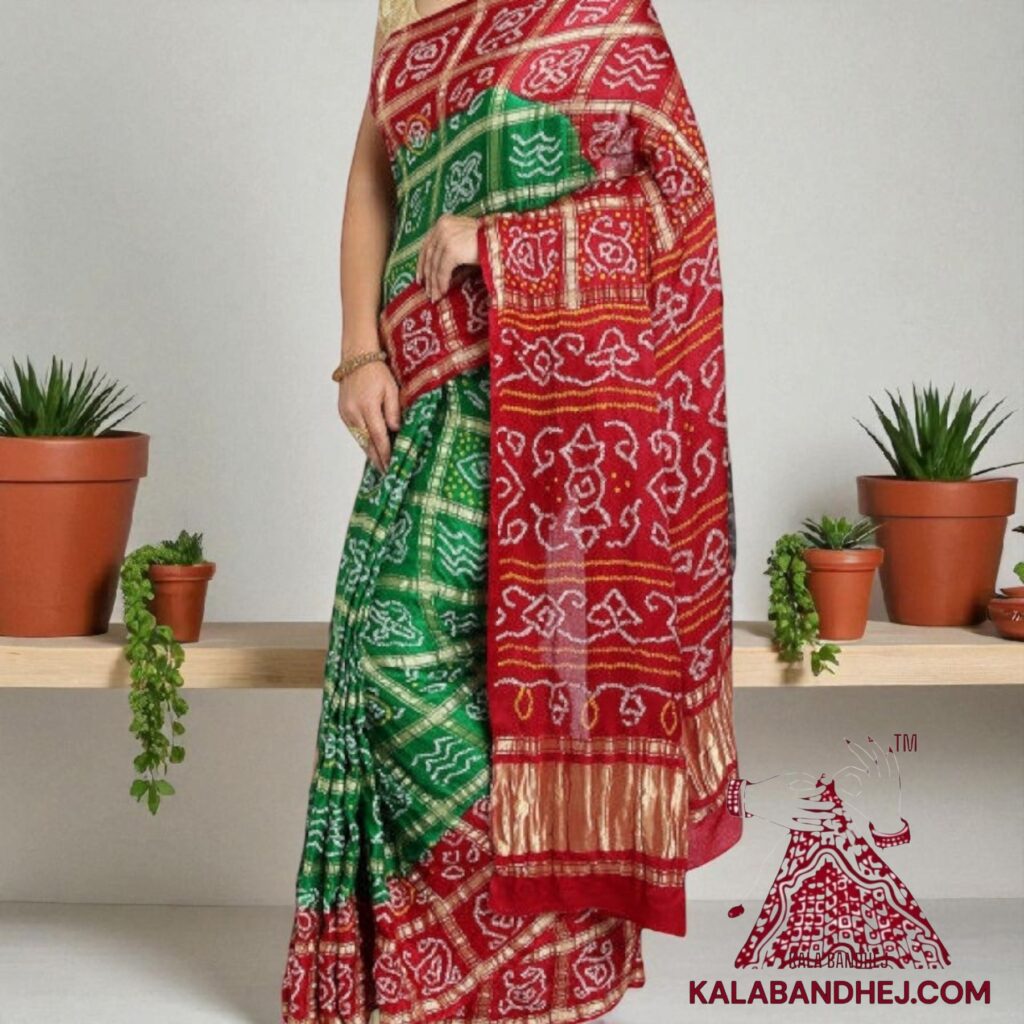
The Iconic Wedding Saree. Source: KALA BANDHEJ BRIDAL SAREE

Red Green Kala Cotton Wedding Gharchola Dress Material - Bandhani ...

Handcrafted Gharchola Dress Material. Source: KaLa Bandhej / Red Green Kala Cotton Wedding Gharchola Dress Material – Bandhani …

1. The Definitive Gharchola Saree

The foundational classic. An authentic Gharchola saree is meticulously woven on premium Gaji Silk or high-grade cotton-silk blend fabrics to handle the intense physical tension of the tie-dye process.

  • The Details: Look closely at the grid intersections. The Zari checks are woven directly into the fabric on the loom, rather than being printed or embroidered on top. Each tiny bandhani dot (bhindi) inside the checks is tied by hand with precision thread before undergoing rich red, maroon, or green dye baths.
  • The Look: Perfect for main wedding rituals or high-glamour festive events. It embodies a regal structure that flows beautifully into a traditional pleated look.

2. The Contemporary Gharchola Lehenga

For the modern bride who desires structural volume while honoring old-world artistry, the Gharchola lehenga is the ultimate masterpiece.

  • The Details: Crafting a lehenga panel (kali) requires massive skill. Artisans must scale the signature woven zari grid symmetrically so that as the panels widen toward the floor, the checks remain visually flawless and balanced.
  • The Look: It provides exceptional movement. The weight of the silk paired with shimmering metallic zari grids ensures that every turn captures the light beautifully on the dance floor.

3. The Statement Gharchola Dupatta

If you want to inject heritage luxury into an existing outfit without going full traditional, a standalone Gharchola dupatta is your perfect styling secret.

  • The Details: Usually available in lightweight georgettes or pure silks, these dupattas feature rich, heavy borders framing the classic geometric check interior.
  • The Look: Incredibly versatile. You can drape it over a minimalist cream anarkali, style it as a secondary shoulder veil with a bridal lehenga, or pair it with a sleek silk trousers-and-kurta set for an instant pop of color and texture.

4. The Versatile Gharchola Dress Material

Heritage craftsmanship meets everyday luxury. Unstitched Gharchola dress materials give you the absolute creative freedom to design custom everyday luxury or semi-formal wear.

  • The Details: These sets feature beautiful contrasts, matching a highly detailed grid kurta piece with complementary solid or softly textured bottom fabrics, topped off with a matching tie-dyed dupatta.
  • The Look: Perfect for stitching custom straight-cut kurtas, high-collared fusion tunics, or classic salwar suits that bring a touch of cultural pride to casual gatherings and office celebrations.

Celebrate Heritage at Half the Price: 50% Off Everything

Intricate hand-knotted Bandhani and hand-loomed zari work are structural art forms designed to last generations. Right now, you can invite these masterwork pieces into your permanent collection at an incredible value.

We are running an exclusive 50% OFF event across our entire authentic collection—including luxury Sarees, statement Dupattas, unstitched Dress Materials, and stunning festive Lehengas.

Claim Your Haindloom Piece at Kalabandhej.com

Handcrafted in limited quantities. Secure your favorite weave before it’s gone.
Posted on

Modal Silk

– Modal Silk by Kalabandhej is a luxurious fabric that combines the softness of modal with the elegant sheen of silk, resulting in a material that is both comfortable and visually appealing.

– This unique blend is designed to drape beautifully, making it an ideal choice for a variety of garments, from flowing dresses to sophisticated blouses, enhancing the wearer’s silhouette.

– The fabric is also known for its breathability and moisture-wicking properties, ensuring that it remains comfortable in various climates while maintaining its exquisite appearance over time.

Modal silk has quickly become one of the most sought-after textiles in modern ethnic fashion, bridging the gap between traditional grandeur and everyday wearability. Known for its fluid drape and radiant sheen, it offers the opulence of pure silk paired with the effortless comfort of natural cellulose.

What Exactly Is Modal Silk?

Modal silk is a premium blended textile woven from modal yarn and silk filaments.

Modal itself is a semi-synthetic, bio-based fiber derived from the spun wood pulp of sustainably managed beech trees. By infusing high-tenacity modal fibers with natural silk threads, weavers produce a hybrid fabric that inherits the best qualities of both worlds:

  • From Silk: A subtle, luminous sheen, rich color depth, and an inherently luxurious hand-feel.
  • From Modal: High breathability, resistance to creasing, soft fluid draping, and significantly greater tensile strength.

Why Modal Silk Stands Out

Unlike conventional heavy silks that can feel stiff and restrictive in humid weather, modal silk adapts seamlessly across seasons.

  • Featherlight & Breathable: The porous nature of beechwood cellulose makes the fabric roughly 50% more moisture-absorbent than cotton, keeping you cool through warm festivities.
  • Fluid Silhouette: Because modal fibers are extraordinarily supple, modal silk drapes like water, contouring naturally without puffing or bunching at the pleats.
  • Rich Dye Affinity: The fabric readily binds with natural and azo-free dyes. It serves as the primary canvas for intricate heritage crafts such as Ajrakh hand-block printing, Bandhani tie-dye, and Kutch screen prints.
  • Wrinkle Resistance: Pure mulberry silk creases quickly upon sitting; modal blends naturally relax out of minor wrinkles during wear.

Everyday vs. Pure Silk: A Quick Comparison

FeaturePure Mulberry SilkModal Silk TextureCrisp to smooth, structuredButter-soft, flowing, and flexible BreathabilityModerateHigh (moisture-wicking) WeightModerate to heavyExceptionally light MaintenanceStrict dry-clean onlyGentle dry-clean or delicate hand wash AccessibilityPremium price pointAccessible luxury

Essential Care Practices

To keep the luster intact and prevent fiber degradation over time:

  • First Wash: Always opt for dry cleaning for the first couple of washes, particularly for heavily dyed Ajrakh or Bandhani pieces to fix the color.
  • Washing at Home: If washing by hand, use cold water and a neutral liquid detergent formulated for delicates. Avoid harsh detergents, bleaching agents, or vigorous wringing.
  • Drying & Ironing: Dry in the shade inside out; direct harsh sunlight can dull the dye. Iron on low-to-medium heat while the fabric is slightly damp, preferably with a pressing cloth between the iron and the garment.

The Art of Draped Luxury: Discover Pure Modal Silk at Kala Bandhej

Few textiles manage to marry royal heritage with modern, all-day comfort quite like Pure Modal Silk. At Kala Bandhej, a brand celebrated for preserving and reimagining Gujarat’s storied textile traditions, modal silk has become the fabric of choice for ethnic connoisseurs.

Whether crafted into hand-tied Bandhani sarees, unstitched suit sets, or contemporary kaftans, Kala Bandhej’s modal silk collection showcases why this versatile fabric is a cornerstone of modern Indian wardrobes.

What Makes Pure Modal Silk Special?

Modal silk brings together the best attributes of two distinct fibers:

  • The Lustrous Sheen of Silk: Offers a radiant glow, depth of color, and regal finish that looks breathtaking at weddings, festivals, and evening celebrations.
  • The Comfort of Beechwood Modal: Sourced from sustainable cellulose, modal provides high breathability, natural moisture-wicking properties, and an exceptionally soft hand-feel.

Unlike rigid traditional silks that demand constant adjusting, modal silk flows effortlessly around the body, creating clean, flattering silhouettes without excess bulk.

Signature Highlights: The Kala Bandhej Modal Silk Collection

Kala Bandhej pairs modal silk’s fluid drape with authentic Kutch and Gujarati artisan techniques:

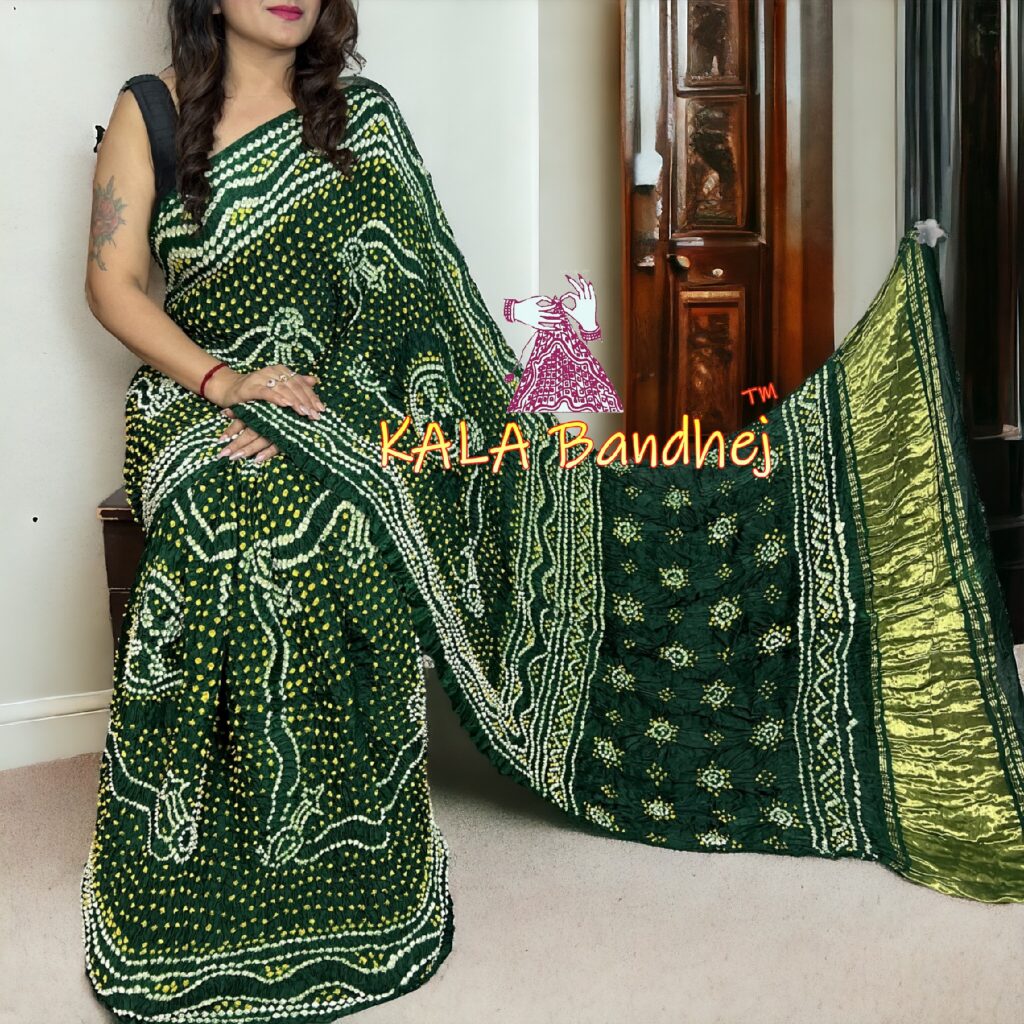
  • Artisanal Bandhani & Rai Dana Work: Tiny, meticulous resist-dyed knots blossom across modal silk, bringing traditional dot and floral patterns to life against rich jewel tones like deep vermilion, mustard yellow, forest green, and royal blue.
  • Unstitched Dress Materials: Designed for bespoke tailoring, these suit sets offer breathable luxury for festive gatherings, puja rituals, and celebrations where effortless comfort is essential.
  • Fluid Kaftans & Contemporary Silhouettes: Merging global cuts with indigenous tie-dye, Kala Bandhej’s pure modal silk kaftans offer breezy daytime elegance and sophisticated evening lounging.
  • Festive Dupattas & Sarees: Featuring refined borders, contrasting pallus, and lightweight handlooms, these pieces drape seamlessly without requiring excessive pinning.

Pure Modal Silk vs. Traditional Gaji Silk

FeaturePure Modal SilkTraditional Gaji Silk Feel & FallExtremely soft, light, and fluidGlossy satin weave with a heavier structure ComfortBreathable in warm, humid climatesBest suited for cool weather or evening formals OccasionVersatile: daytime festive to grand celebrationsPrimarily high-festive and bridal ceremonies MaintenanceRelaxed, naturally crease-resistantNeeds structured pressing and meticulous care

Caring for Your Kala Bandhej Modal Silk

To preserve the vibrant dyes and soft luster of your handcrafted modal silk:

  1. First Few Washes: Opt for dry cleaning initially to safely lock in the authentic tie-dye colors.
  2. Subsequent Care: If washing at home, use cold water and a mild, gentle detergent formulated for delicate silks. Never wring or twist the fabric tightly.
  3. Drying & Storage: Air dry indoors or in shaded areas away from harsh direct sunlight. Store folded in breathable cotton or muslin bags to let the natural fibers breathe.

Explore the full range of handcrafted sarees, dupattas, and tailored sets directly in the Kala Bandhej Pure Modal Silk Collection.

Posted on

THE JOURNEY BEGINS OF BANDHANI

  • The commencement of the Bandhani journey, specifically focusing on the art of Kala Bandhej, marks a significant cultural exploration that delves into traditional textile techniques.
  • This journey not only highlights the intricate craftsmanship involved in creating Bandhani but also emphasizes the historical and social contexts that have shaped this unique art form over time.
  • As we embark on this exploration, we aim to uncover the rich heritage and the contemporary relevance of Kala Bandhej, showcasing its evolution and the artisans who keep this tradition alive.

The Journey Begins: The Timeless Art of Bandhani by Kala Bandhej

The story of Bandhani is not merely about fabric; it is the rhythm of thousands of knots, the patience of ancestral hands, and an enduring celebration of color. Derived from the Sanskrit root Bandha—meaning “to tie”—this ancient resist-dye craft has flourished across Kutch and Gujarat for centuries. At Kala Bandhej, this legacy is not just preserved; it is mastered.

As specialists in authentic Bandhani, Kala Bandhej brings you behind the loom to witness how raw fabric transforms into an intricate work of art.

The Craft: How a Masterpiece Unfolds

True Bandhani is an elaborate, entirely manual journey where a single garment can take weeks, and often months, to complete.

  • 1. Chhapa (Tracing the Blueprint): The journey begins with unbleached handloom fabric. Artisans trace delicate patterns—from geometric grids to flowing floral jaals—using water-soluble natural blue chalk or charcoal solutions (geru).
  • 2. Bandhai (The Intricate Tying): The heartbeat of Bandhani. Skilled women artisans use the dheri (specialized thread) guided through a metal or brass tube (bhungri), pulling tiny pinches of fabric with a pointed nail tool to bind micro-knots with unmatched precision.
  • 3. Rangai (The Alchemy of Dyeing): Once tied, the fabric is dipped into dye baths, starting with lighter shades like yellow or ivory, progressing systematically to deep reds, maroons, and royal indigos. Each color transition requires untying, re-knotting, and re-submerging the cloth.
  • 4. Chhodai (The Grand Reveal): After washing and air-drying in shaded desert winds, the knots are carefully pulled open to reveal the undyed, pristine white and yellow rings (dana) contrasting against deep, rich grounds.

The Kala Bandhej Specialty: Mastery of the Motif

What sets Kala Bandhej apart is the sheer refinement and variety of traditional patterns:

  • Barik & Rai Bandhani: Renowned for microscopic knots the size of small mustard seeds (rai), creating mesmerizing detail and density across the fabric.
  • Heritage Patterns: Classic layouts including the auspicious Gharchola check grids, majestic Shikari wildlife vignettes, Chandrakhani lunar discs, and rhythmic Ras Mandal compositions.
  • Luxury Canvases: Seamlessly marrying age-old Bandhani with premium handloom bases—luxurious Pure Gaji Silk, fluid Pure Modal Silk, and featherlight cottons.

Pure Tradition, Tailored for Today

At Kala Bandhej, every Bandhani saree, dupatta, and handcrafted ensemble carries the authentic fingerprint of Kutch’s artisan clusters. It is not just clothing—it is living history woven for celebrations that last a lifetime.

Would you like styling tips, care guidelines, or customized product descriptions for your Bandhani collection?